Nage-waza
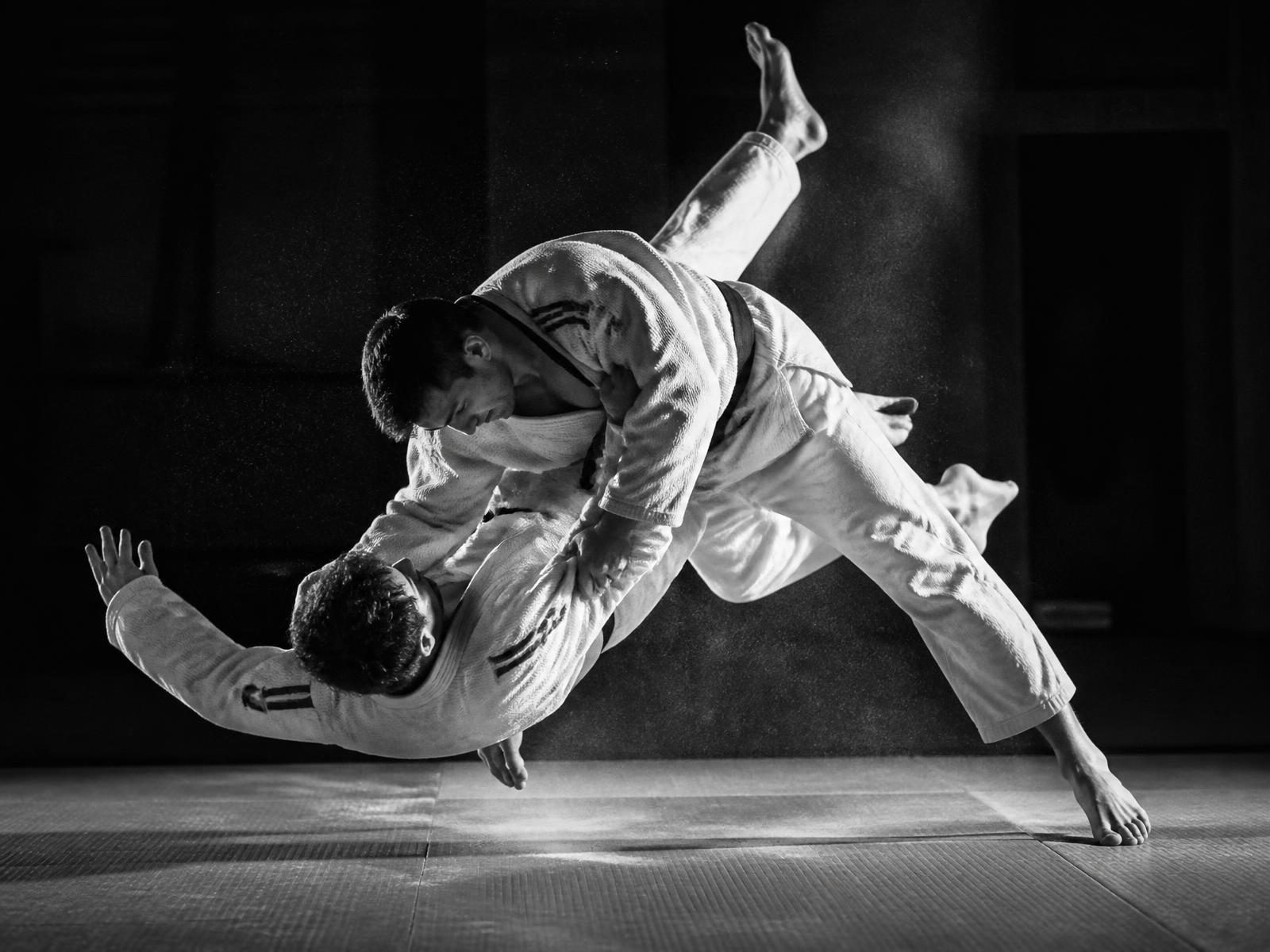
Throwing techniques. Break the balance, fit in, execute — kuzushi, tsukuri, kake.
Since 1882 · Kodokan
Judo turns an opponent's force into their own downfall. No strikes, no weapons — only balance, timing and the willingness to be thrown a thousand times before you throw.
Throwing techniques. Break the balance, fit in, execute — kuzushi, tsukuri, kake.
Grappling on the ground: holds, strangles and armlocks that end a contest without a strike.
The art of falling. The first thing every beginner learns, and the reason judo is safe to practise hard.
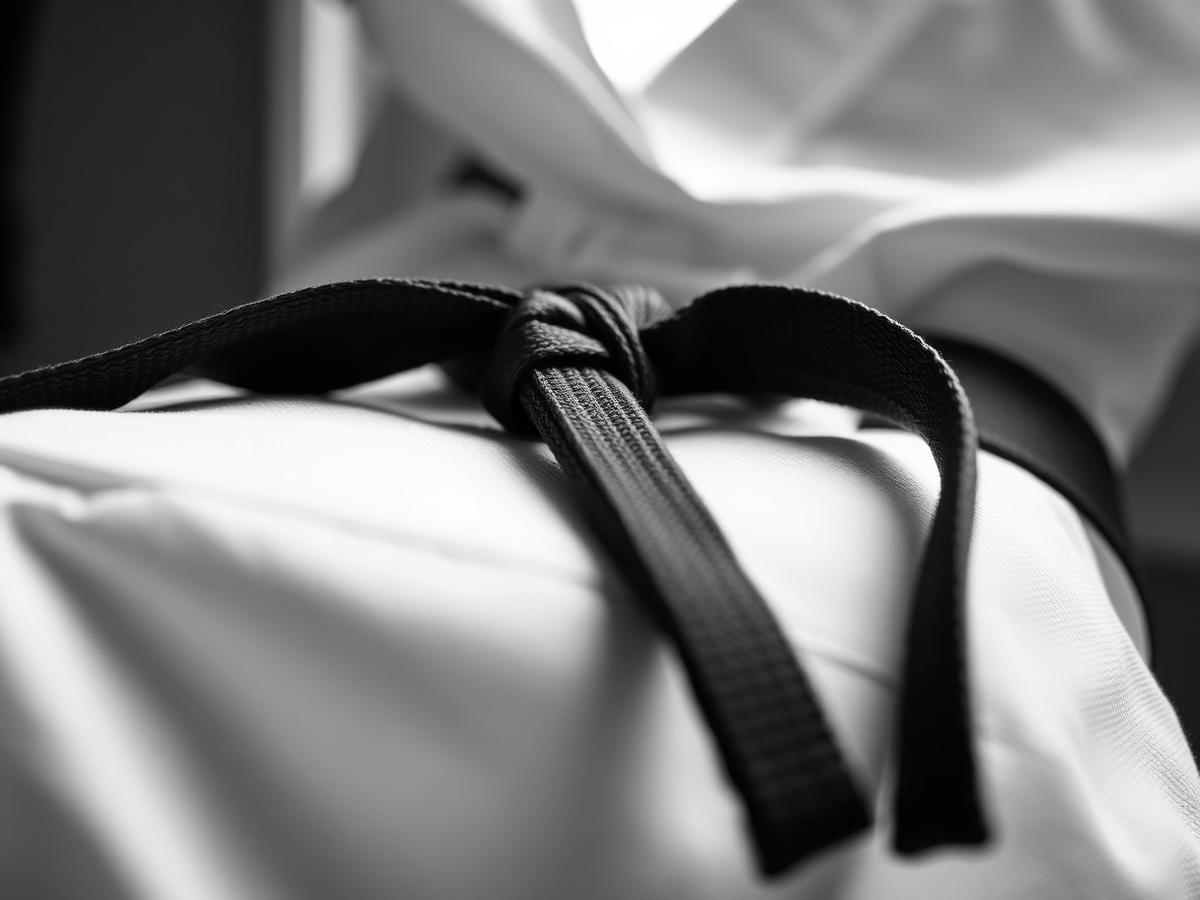
The belt
Kano invented the coloured belt system so progress could be seen at a glance. Shodan — first-degree black belt — does not mean mastery. It means you have learned enough to start learning properly.
“Softness controls hardness.”
Jigoro Kano, founder of judo